
Andreas S. Savva | Savva Laboratories
Theoretical Neuroscience & Applied Psychology
Analyzing Systems | Deriving Principles | Engineering Solutions





How Can I Help You ?

Developmental & Psychological
Understanding how the brain and mind grow, creating practical methods to strengthen focus, balance, and resilience.

Technology & Coding
Coding adaptive systems that unite AI, neuroscience, and hardware to build intelligent, evolving forms of technology.

Educational & Tutoring
Turning learning into understanding and autonomous study. Aiming to think sharply, question deeply, and grow intelligently.
The 5 Laboratories
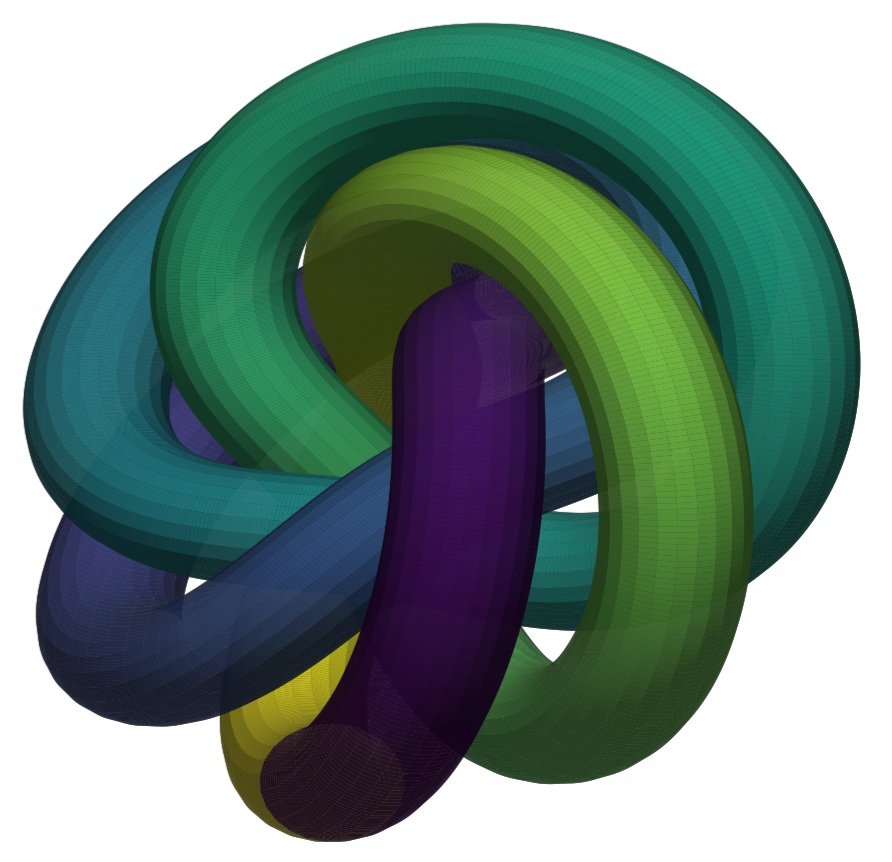
The ecosystem connecting mind, brain, and machine — turning deep theory into living models, tools, and transformation.

Philosophical & Symbolic Analysis
Exploring how experience is shaped to unlock deeper awareness and genuine transformation. Questioning structures and their function.

Research & Development
Transforming ideas about brain and mind into clear models linking structure, function, and adaptive intelligence.
About Andreas Savva
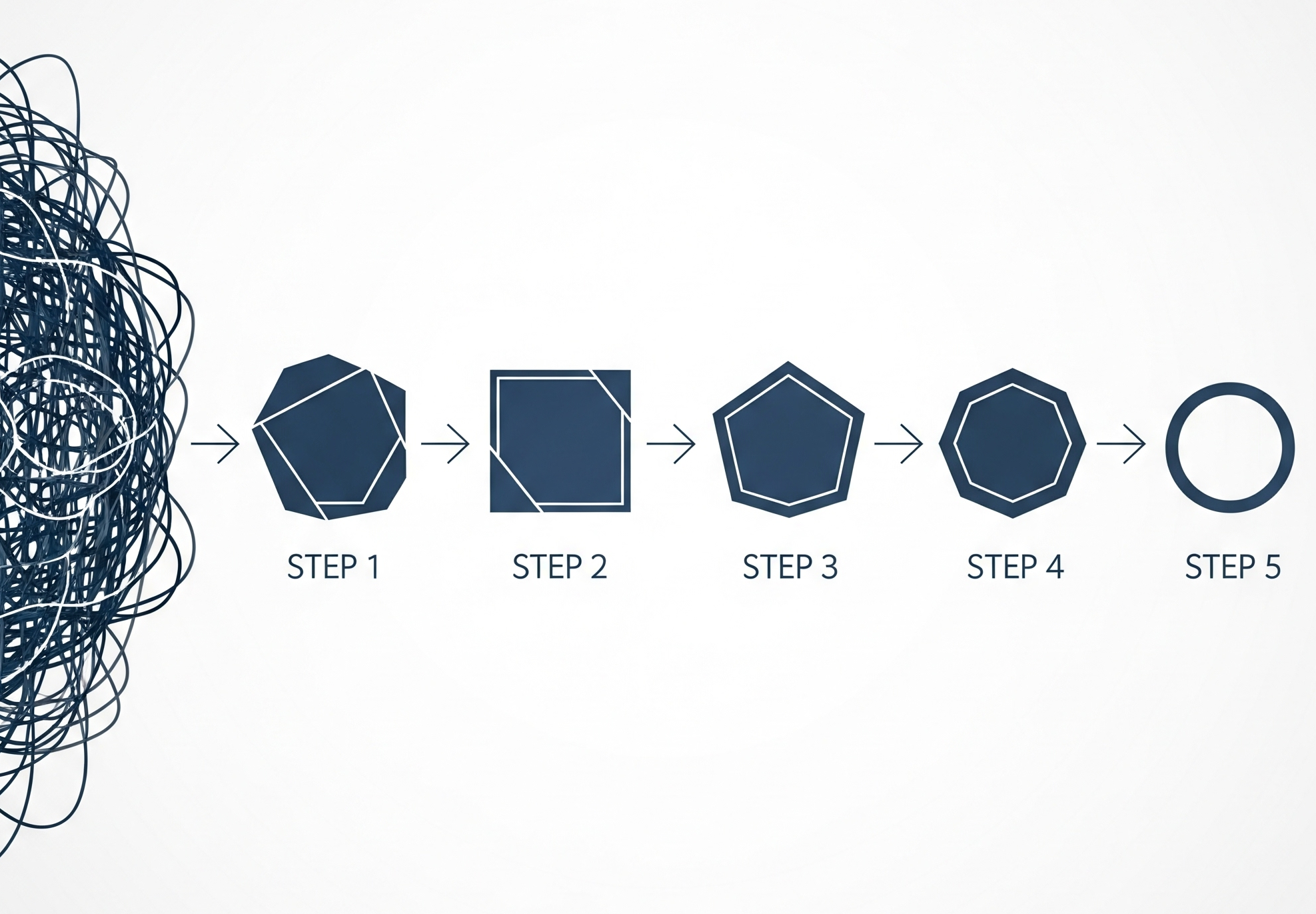
Andreas Savva is a psychologist, researcher, and educator who investigates the nexus of development, symbolic cognition, and systems analysis. He treats cognition as the derivative of the structure–function relation and formalizes its geometric invariants. Through Savva Laboratories—a unified, closed-loop method—he specifies the laws and shared invariants that bind these domains. He applies this work through research, education, and individual sessions to derive cognitive architectures and measurably improve adaptability and creative agency.
Explore Savva Laboratories
Savva Laboratories unifies five domains—Cognitive Development, Pedagogical Systems, Symbolic Analysis, Geometrical Neuroscience, and Isomorphic Systems—into a single closed-loop manifold for structure – function analysis. Each lab targets a distinct stratum. Cognitive Development addresses learning dynamics and calibration; Pedagogical Systems defines curriculum as control over state space. Symbolic Analysis investigates representation, invariance, and truth under transformation. Geometrical Neuroscience maps neural metrics, curvature, and dynamics; and Isomorphic Systems develops synthetic implementations. By mapping topology, dynamics, and invariants across mind, brain, and machine, this manifold derives cognitive architectures. These are then translated into curricula, tools, and interventions that yield measurable gains in adaptability and creative agency.

 Andreas S. Savva | Savva Laboratories